In 2017 the condo experienced many problems with leaks and floods leading to a
program that encouraged and provided water leak detection and alarm devices to
residents.
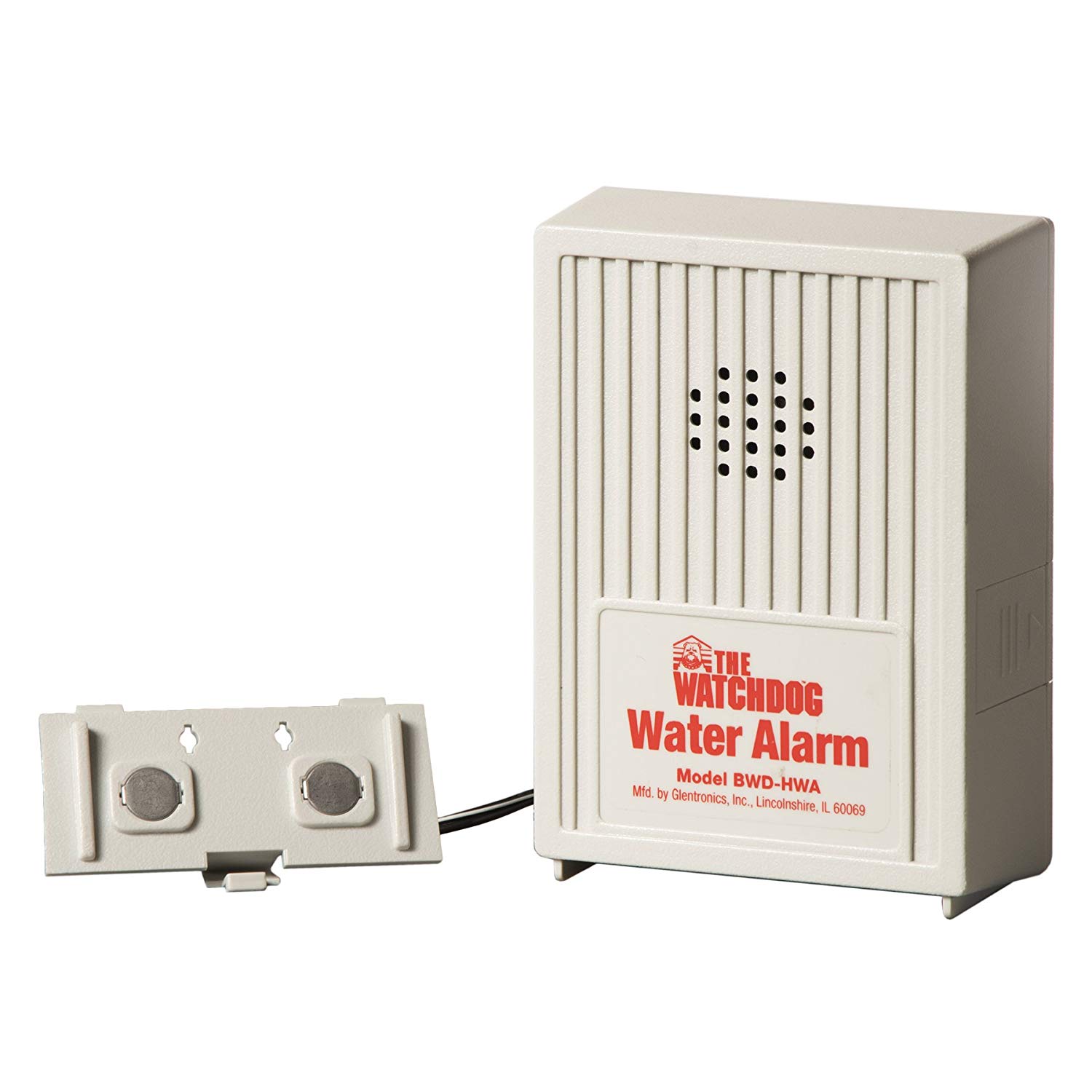
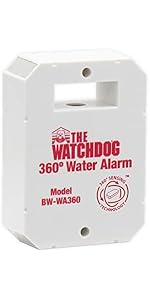
Many makes and styles of sensors are available in stores and online. The Glentronics Watchdog from Amazon has been proven useful in our building. The detachable sensor model (BWD-HWA) has small sensing contacts can be located apart from the alarm box allowing placement of the sensors in tight areas. The alarm box can be placed where it is more likely to be heard. However the alarm box and contacts must be placed so that the contacts will get wet if there is a leak If the box falls over on its back so that the contacts are not touching the floor, the sensor will be useless. The newer 360° sensing model (BW-WA360) has the advantage of having large sensors on all 4 corners so that it is not as important how it is placed or if it falls over. However, it does not have contacts that can be placed separate from the alarm box. Neither model includes a low battery alarm or a test button like are standard on smoke detectors. ( I keep hoping!) And neither will work if left on top of the water heater. Both units have snap-on connectors for the 9 volt batteries which makes battery replacement more difficult. The 360° model requires a Phillips screwdriver to open the battery compartment rather than the sliding door found on the detachable sensor model. It is estimated that there are about 20 water sensor alerts each year reported by and acted on by residents emphasizing the success of the water sensors to prevent building damage and reduce insurance costs. Water sensors are a good and inexpensive preventative measure but must be tested and maintained to remain effective..
The sensors cost are included below -- the
required 9V battery must be purchased separately.
|
|
|
|
Watchdog 110 dB Water Alarm w/Detachable Sensor for Hard-to-Reach Areas (BWD-HWA) -- Requires a 9 volt battery -- $14.98 each |
Watchdog Compact 110 dB Water Alarm w/360° Sensing Technology (BW-WA360) -- Requires a 9 volt battery -- $19.99 each |
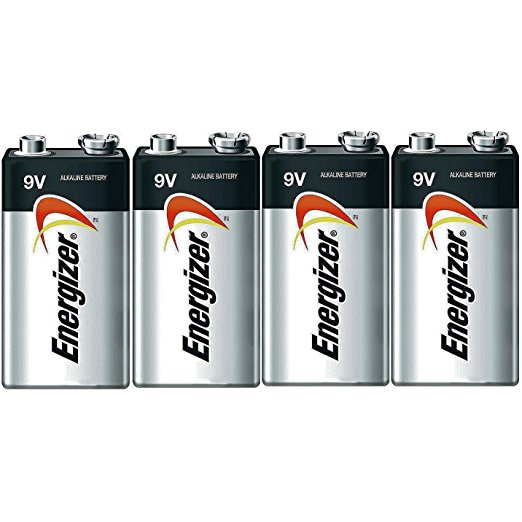
Energizer Max 9V Batteries
|
On the concrete floor in the AC / water heater
closet next to the water heater.
Behind each toilet in the bathroom(s) on the
tile floor.
Under the dishwasher on the concrete floor (installation requires removing the front toe-kick panel and putting the device or contacts under the dishwasher)
In the AC / water heater closet, inside the water heater pan (if available) or on the concrete floor. Note that water inside the pan should drain into the attached overflow drain (where available) and not cause any damage, but water in the pan indicates a problem with the water heater or the AC that should be immediately addressed.